

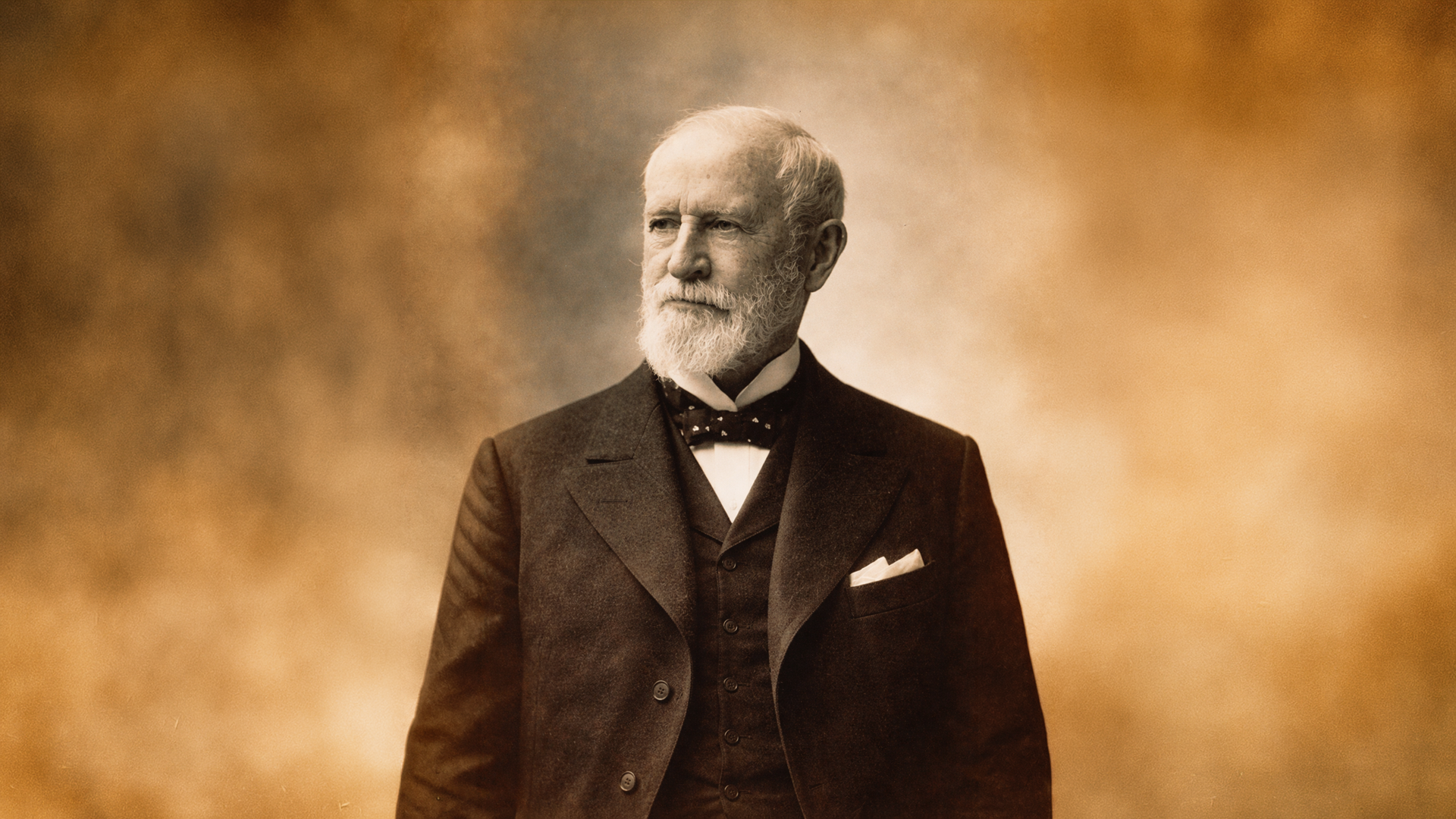
Long before the name Cartier came to embody imperial tiaras, legendary diamonds, and the refined elegance of one of the world’s most distinguished jewellery houses, it belonged to a young Parisian craftsman whose ambitions were far humbler yet quietly revolutionary. In the mid-nineteenth century, within a modest workshop along the narrow streets of Paris, Louis-François Cartier began shaping objects of beauty with a patience and precision that would eventually transform his surname into one of the most powerful symbols of luxury craftsmanship.
Today, Cartier is celebrated across continents as a maison synonymous with timeless design, royal patronage, and artistic excellence. Its creations have adorned emperors, queens, film icons, and collectors for more than a century. Yet the extraordinary prestige of the Cartier empire traces back to a single craftsman whose dedication to artistry and refinement laid the foundation of a legacy that continues to define luxury jewellery and watchmaking.
Early Life of Louis-François Cartier
Louis-François Cartier was born on 2 December 1819 in Paris, a city already celebrated as Europe’s cultural and artistic capital. His upbringing, however, was far removed from the aristocratic salons that would later define his brand. His father, Pierre Cartier, worked as a metalworker, while his mother, Elisabeth Girardin, earned her livelihood as a washerwoman.
Like many young men of modest background in nineteenth-century France, Cartier entered the world of skilled trades through apprenticeship rather than formal education. As a teenager, he began training under the respected Parisian watchmaker and jeweller Adolphe Picard, whose workshop specialized in jewellery and precision timepieces.
Within this disciplined environment, Cartier developed the qualities that would shape his future success. Years of meticulous work cultivated both technical mastery and artistic sensibility. Beyond learning the mechanics of watchmaking and jewellery crafting, he developed an instinctive understanding of elegance, an ability to translate beauty into objects that resonated with refinement and prestige.
1847: The Founding of Cartier and the Birth of a Parisian Jewellery Maison
The defining milestone in Cartier’s life arrived in 1847, when the ambitious young craftsman purchased his mentor’s workshop at 29 Rue Montorgueil in Paris. With this bold decision, Louis-François Cartier established the jewellery house that would one day become one of the most prestigious luxury brands in the world.
The timing was uncertain, as France was experiencing political unrest in the years leading to the revolutions of the late 1840s. Yet Cartier’s belief in craftsmanship and artistic excellence proved stronger than the turbulence of the era.
Inside his newly acquired atelier, he began creating jewellery, decorative objects, and watches that reflected both technical precision and refined aesthetics. His designs embraced a quiet sophistication that appealed to the evolving tastes of Parisian society, gradually attracting clients who valued artistry, detail, and originality.
Paris in the Second Empire: The Rise of Luxury Craftsmanship
By the mid-nineteenth century, Paris was undergoing a dramatic transformation. Under the sweeping urban reforms of Baron Haussmann, the city’s boulevards expanded, elegant arcades flourished, and luxury craftsmanship became central to Parisian culture.
Recognizing the importance of proximity to elite clientele, Cartier relocated his boutique in 1853 to the fashionable Place du Palais-Royal, an area known for its luxury merchants and refined clientele. In 1859, he moved again to Boulevard des Italiens, further positioning his jewellery house within the centre of Parisian elegance.
These strategic relocations ensured that Cartier’s creations were seen within the very circles where luxury was most admired and desired.
Princess Mathilde and the Royal Recognition That Changed Cartier Forever
Every legendary brand has a defining moment when recognition transforms ambition into prestige. For Louis-François Cartier, that moment arrived in 1856, when Princess Mathilde Bonaparte, the influential niece of Napoleon Bonaparte and cousin of Emperor Napoleon III, became one of his earliest and most distinguished patrons.
Her patronage altered the destiny of Cartier almost instantly. Within the aristocratic world of nineteenth-century Europe, royal endorsement carried extraordinary influence. When Princess Mathilde began wearing Cartier’s jewellery, the Parisian elite quickly took notice. Her presence in imperial salons and court gatherings ensured that the young jeweller’s creations were seen by nobles, diplomats, and influential figures of high society.
Suddenly, the modest Parisian atelier was no longer simply a workshop, it had become the jeweller of aristocratic taste. This moment marked Cartier’s transformation from a talented artisan into a recognised luxury jeweller serving the highest levels of European society, inspiring the famous description of the maison as “the jeweller of kings and the king of jewellers.”
Building the Cartier Dynasty: From Paris Workshop to Global Luxury Brand
Louis-François Cartier understood that enduring success required continuity. In 1874, his son Alfred Cartier joined the business and gradually assumed leadership of the maison.
Under Alfred’s guidance, the Cartier name continued to grow in prestige, attracting aristocrats, diplomats, and wealthy patrons across Europe. The next generation would transform the Parisian jewellery house into an international luxury empire.
Alfred’s sons, Louis Cartier, Pierre Cartier, and Jacques Cartier, expanded the brand globally, establishing iconic Cartier boutiques in Paris, London, and New York. Through their leadership, the maison evolved into one of the most celebrated jewellery houses in the world.
Craftsmanship, Elegance, and the Cartier Philosophy of Luxury
What distinguished Cartier from many jewellers of his era was his belief that jewellery should embody both artistry and precision. Each creation represented more than adornment; it was an expression of aesthetic refinement and technical mastery.
This philosophy shaped the identity of Cartier from its earliest days. Every piece produced within the atelier reflected a dedication to detail, balance, and timeless design, qualities that continue to define Cartier creations today.
The Enduring Legacy of Louis-François Cartier
Louis-François Cartier passed away in Paris on 15 May 1904, leaving behind a jewellery house already respected among Europe’s finest luxury artisans.
Over the following century, Cartier would become a global icon of high jewellery, its creations worn by royalty, admired by collectors, and celebrated as masterpieces of craftsmanship.
Yet behind the diamonds, royal commissions, and legendary designs lies a simpler origin story, the story of a young Parisian apprentice whose patience, creativity, and vision transformed a modest workshop into one of the most powerful symbols of luxury in the world.
More than a century later, the Cartier name continues to represent elegance, heritage, and timeless artistry. And at the heart of that legacy stands Louis-François Cartier, the visionary craftsman who turned dedication into dynasty and imagination into an empire of luxury.
